
Perforated Parchment Liners For Air Fryer: Smart Buying Guide
Introduction
For home cooks in the United States, perforated parchment liners can make air-fryer cooking cleaner and easier. The small holes help hot air move around food while the paper catches grease and crumbs.
Use a liner only when it is made for cooking, fits your air-fryer basket, and stays weighed down by food. Never place a loose sheet in a running or preheating air fryer. It may lift into the heating element and burn.
This guide explains how perforated parchment liners work, how to choose the right size, how to use them safely, and when a liner may reduce crispness.

What Are Perforated Parchment Liners for an Air Fryer?
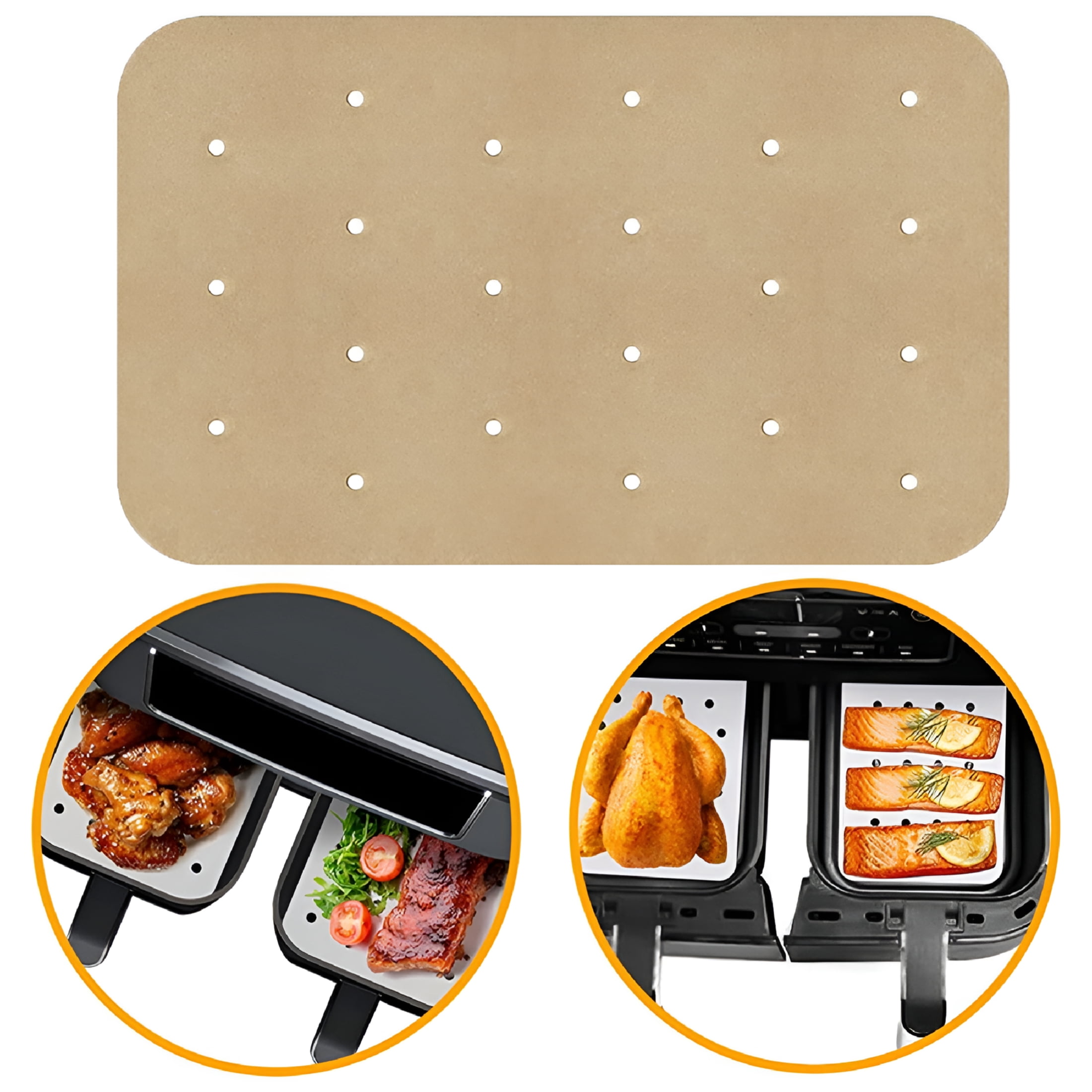
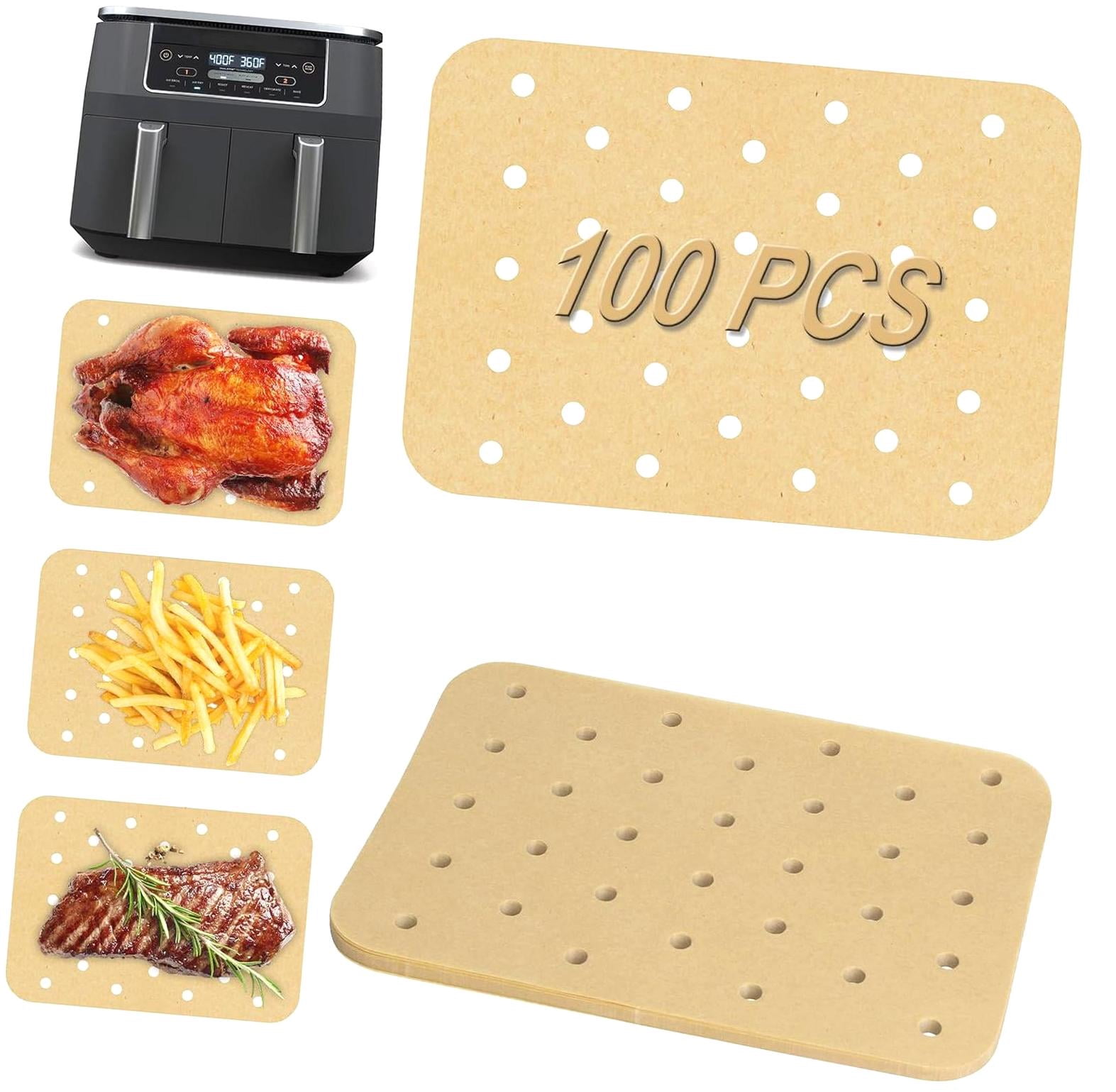
Perforated parchment liners are sheets of heat-resistant parchment paper with small holes across the surface. The holes allow air to pass through the liner and around the food.
Most liners are made from parchment paper treated with a nonstick coating, often silicone. They are different from wax paper, paper towels, and ordinary sandwich paper.
A perforated liner may be shaped as:
- A flat round sheet
- A flat square sheet
- A raised basket liner with short sides
- A liner made for a dual-basket air fryer
- A reusable silicone mat with holes
The paper liner sits between the food and the air-fryer basket. It can reduce food buildup and make cleanup faster. It does not replace the basket, tray, or crisper plate.
Perforated parchment versus regular parchment
Regular parchment can work in some air fryers, but a solid sheet may cover much of the basket. That can reduce airflow and slow browning.
Perforated parchment has holes that help air circulate. It is often a better choice for foods that need a crisp surface, such as:
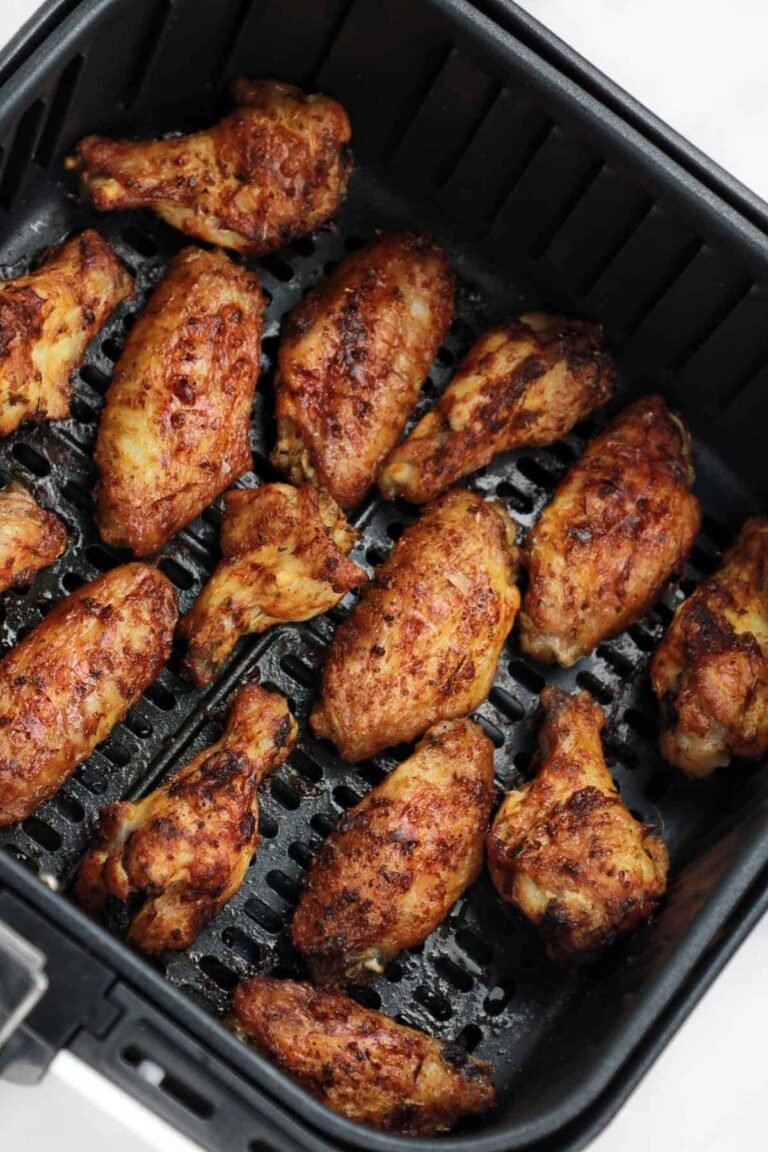
- Chicken wings
- French fries
- Tater tots
- Breaded shrimp
- Fish sticks
- Vegetables
- Small pastries
The holes do not guarantee the same crispness as cooking directly on the basket. They simply reduce the amount of paper blocking the airflow.
Perforated parchment versus wax paper
Wax paper is not a safe substitute for parchment in an air fryer. Wax paper is made for cold food work and some low-heat uses. Its wax coating can melt, smoke, or transfer to food when exposed to high heat.
Use a product clearly labeled for oven or air-fryer cooking. Check its temperature limit before use.

Why Use a Perforated Air-Fryer Liner?
The main benefit is easier cleanup. The liner catches oil, crumbs, melted cheese, and sticky sauces before they bake onto the basket.
- Less scrubbing after cooking
- Less sticking for delicate foods
- Easier removal of small foods
- Protection from some stains
- A cleaner surface for foods with wet marinades
- Better airflow than a solid parchment sheet
A liner can also help with food that tends to stick, such as marinated fish or glazed vegetables. Still, it should not be treated as a cure for every sticking problem. Excess moisture, too little oil, or turning food too soon can also cause sticking.
The main trade-off: cleanup versus crispness
Air fryers work by moving hot air over the food. The basket openings help air reach the bottom and sides.
A liner adds a layer between the food and the basket. Even with holes, it may:
- Reduce browning on the bottom
- Hold some moisture near the food
- Make fries less crisp
- Increase cooking time in some recipes
- Allow grease to collect under the food
For maximum crispness, cook directly on a clean basket when practical. For easier cleanup, use a perforated liner and avoid covering more of the basket than needed.
When a liner helps most
A perforated liner is useful when:
- The food is sticky or heavily seasoned
- You are cooking fish or fragile food
- Cheese may melt onto the basket
- You want faster cleanup
- The basket has a coating you want to protect from heavy scrubbing
It may be less useful for foods that already release a lot of fat. Bacon, sausage, and fatty meat can leave grease under the liner. That grease still needs to be cleaned from the basket.

How to Use Perforated Parchment Liners Safely
Safe use depends on three rules: use the right paper, keep it in place, and follow the air-fryer manual.
Step 1: Check the package and air-fryer manual
Look for:
- A statement that the paper is oven-safe or air-fryer-safe
- A maximum temperature
- A size that fits your basket
- Instructions about preheating
- Any warning about use with heating elements
Air-fryer designs vary. Some models use a shallow basket. Others use racks, trays, or a rotating drum. The manual may limit the use of paper liners.
Do not assume that a liner made for one appliance fits another.
Step 2: Choose the correct size
The liner should sit flat inside the basket without touching the heating element. It should not rise high along the sides unless it was designed as a raised basket liner.
A liner that is too large may:
- Fold into the food
- Block side vents
- Touch the hot air outlet
- Trap steam
- Lift toward the heating element
A liner that is too small may leave food on the basket. That is not unsafe, but it reduces the cleanup benefit.
Step 3: Place food on the liner before cooking
The liner must be held down by food. Never put an empty paper liner into a running air fryer.
This rule also applies during preheating. A loose liner can move when the fan starts. If it reaches the heating element, it may scorch or catch fire.
If your recipe needs a preheated air fryer, preheat it without the liner. Then place the liner and food into the basket together, if the appliance manual and liner instructions allow that method.
Step 4: Keep the paper below the basket rim
Do not let the liner stick out of the basket. Trim it only if the package allows trimming and the result still fits flat.
Avoid making tall paper walls. They can interfere with airflow and may move toward the heating element.
Step 5: Leave space around the food
Do not cover every hole with a solid layer of food. Air must move around the food for even cooking.
Use a single layer when the recipe calls for one. Turn or shake the food as directed. A liner cannot fix an overcrowded basket.
Step 6: Watch the first batch
Cooking time may change when you use a liner. Check the food early the first time.
Signs that the liner is working well include:
- The paper stays flat
- The paper does not darken or smoke
- Food cooks evenly
- Air can still move around the food
- The basket remains stable
- No paper touches the heating element
Stop the appliance if you see smoke, a burning smell, or paper movement. Let it cool before removing the liner.

How to Choose the Best Perforated Parchment Liners
The best liner depends on your air-fryer shape, cooking temperature, food type, and cleanup needs. A highly rated product is not automatically the right fit for every basket.
1. Match the liner to the basket shape
Measure the usable cooking area, not the outside of the appliance.
For a round basket, measure the inside diameter. For a square or rectangular basket, measure the inside length and width. Leave a small margin so the liner does not press against the sides.
Common liner sizes include:
| Air-fryer basket type | What to check |
|---|---|
| Round basket | Inside diameter and raised sides |
| Square basket | Inside length and width |
| Dual basket | Each drawer may need a different size |
| Oven-style air fryer | Rack or tray dimensions |
| Toaster-oven air fryer | Whether paper can be used near the heating element |
Do not rely only on the air fryer’s advertised capacity. A “6-quart” model may have a different basket shape from another 6-quart model.
2. Check the temperature rating
Choose a liner with a stated temperature limit that meets or exceeds your recipe. Do not treat all parchment paper as having the same rating.
The exact limit depends on the product, coating, and manufacturer. Follow the package directions rather than using a general temperature rule.
A temperature rating is not permission to place the paper near a heating element or use it under a broiler.
3. Look for useful perforation
Small holes spread across the cooking area usually support better airflow than a few large openings. The pattern matters less than whether the holes remain open.
Avoid a liner that:
- Has very few holes
- Covers most vents
- Is too thick for the basket
- Has loose edges
- Arrives folded with deep creases
- Smells strongly when heated
A mild paper smell may occur with some new products, but smoke or a sharp chemical odor is a reason to stop using the liner.
4. Decide between flat and raised liners
Flat liners are often best for:
- Fries
- Vegetables
- Wings
- Small frozen foods
- Foods that need more airflow
Raised liners can help contain sauces and grease. However, their taller sides may block more airflow. They work best when they are made for the basket’s shape and do not crowd the food.
5. Consider paper thickness and coating
A thicker liner may resist tearing when you lift delicate food. A thinner liner may allow slightly more heat transfer and take up less space.
The label may describe the product as:
- Unbleached parchment
- Silicone-coated parchment
- Nonstick parchment
- Compostable parchment
- Disposable air-fryer paper
These terms do not all mean the same thing. “Compostable” refers to disposal conditions, not automatic safety in every air fryer. “Nonstick” does not mean the paper cannot burn.
6. Check packaging and food-contact information
Buy liners in sealed packaging. Avoid paper with damage, moisture, or unclear cooking instructions.
For food-contact products in the United States, manufacturers are responsible for ensuring that their materials comply with applicable food-contact requirements. The U.S. Food and Drug Administration provides information about food-contact substances and paper and paperboard materials in its regulations and guidance.

Can You Make Your Own Perforated Parchment Liner?
You can cut cooking parchment to fit an air-fryer basket and make holes with a clean hole punch. However, a ready-made liner may be safer and more consistent because its size, coating, and perforation pattern are designed for cooking.
If you make one, follow these precautions:
- Use parchment labeled for oven use.
- Measure the basket before cutting.
- Keep the sheet below the rim.
- Make holes across the center and cooking area.
- Remove loose scraps from the basket.
- Do not use wax paper, printer paper, or paper towels.
- Keep the finished sheet away from the heating element.
- Use food to hold it down.
Do not cut a liner while it is inside a hot appliance. Remove the basket and let it cool first.
Making holes does not make unsafe paper safe. It only changes airflow. The paper still needs a suitable coating and heat rating.
Common Mistakes With Air-Fryer Parchment Liners
Most liner problems come from size, placement, or heat. The following mistakes are easy to avoid.
Using a liner during preheating
This is one of the most serious errors. An empty sheet can lift into the heating element.
Better approach: Preheat without paper, then add the liner with food if the appliance instructions permit it.
Covering every basket opening
A liner that blocks the entire surface can reduce airflow and make food cook unevenly.
Better approach: Use a perforated liner that fits the basket. Do not stack food too tightly.
Using paper that is too large
Oversized paper can fold upward or touch the sides and heating element.
Better approach: Choose the correct diameter or trim the paper before cooking.
Using parchment for wet batter
Loose wet batter may flow through the holes and stick to the basket. It may also make the liner harder to remove.
Better approach: Use a suitable pan or mold for runny batter. A liner works better with solid or partly set food.
Adding too much oil
Parchment is not a shield against grease buildup. Oil can collect under the paper and remain in the basket.
Better approach: Use only the oil needed for the recipe. Clean the basket after cooking.
Reusing disposable paper
Used parchment may contain grease, crumbs, burnt spots, and bacteria from food residue. It may also weaken after heating.
Better approach: Treat disposable liners as single-use unless the manufacturer clearly says they are reusable.
Confusing parchment with silicone mats
A silicone air-fryer mat is a separate product. It is reusable and may have different temperature, cleaning, and placement rules.
Better approach: Follow the instructions for the exact material. Do not use a silicone mat if it blocks vents or sits too close to the heating element.

Perforated Parchment Liners and Food Crispness
Perforated parchment usually preserves more airflow than solid parchment, but cooking directly on the basket often gives the crispest result.
The difference is greatest with foods that need dry heat on the bottom. Examples include fries, hash browns, breaded foods, and roasted vegetables.
To improve crispness when using a liner:
- Dry food before cooking
- Avoid overcrowding
- Use a single layer
- Leave holes uncovered when possible
- Shake or turn the food
- Avoid excessive oil
- Remove food soon after cooking
- Let steam escape instead of covering the food
A liner may be worth the small crispness trade-off when the food is delicate or the basket is difficult to clean. For wings and fries, try one batch with a liner and one without it. Use the method that gives the texture you prefer.
Cleaning After Using a Parchment Liner
A liner reduces mess, but it does not remove the need to clean the air fryer.
After the appliance cools:
- Remove and discard the liner.
- Shake crumbs into the trash.
- Check beneath the basket or crisper plate.
- Wipe away grease.
- Wash removable parts according to the manual.
- Dry the parts fully before storage.
Do not pour grease into a sink. Let it cool and place it in the trash according to local household waste rules.
Avoid metal tools and harsh scouring pads if the basket has a nonstick coating. Scratches may make food stick more easily and can damage the surface.
If paper sticks to the basket, let the basket cool. Soak the removable part only if the manufacturer allows soaking. Do not immerse the heating unit or electrical body.

Quick Decision Guide
Use this simple guide before buying or using a liner:
| Your main goal | Best starting choice |
|---|---|
| Maximum crispness | No liner, if food and appliance allow |
| Easier cleanup | Perforated parchment |
| Sticky or delicate food | Perforated parchment with food holding it down |
| Frequent use and less waste | Reusable perforated silicone mat |
| Runny batter | Small oven-safe pan or mold |
| Large dual-basket air fryer | Two correctly sized liners |
| High-heat cooking | Product with a clearly stated matching temperature limit |
The safest choice is the one that fits the basket, stays below the rim, meets the temperature requirement, and does not block needed airflow.

Frequently Asked Questions
Are perforated parchment liners safe in an air fryer?
They can be safe when they are made for cooking, used below their stated temperature limit, and held down by food. Never use a loose liner during preheating or cooking.
Do perforated liners make food less crispy?
They may reduce browning slightly compared with cooking directly on the basket. The holes help air move through, so they usually preserve more airflow than solid parchment.
Can I use parchment liners in a Ninja, Cosori, Instant, or other U.S. air fryer?
Compatibility depends on the model and basket shape. Check the appliance manual and the liner package. The brand name alone does not confirm that every liner fits every model.
Can I reuse disposable parchment liners?
Usually, no. Grease, food residue, tearing, and dark spots can make reuse unsafe or messy. Reuse only if the manufacturer specifically labels the product as reusable.
Can parchment liners touch the sides of the basket?
The liner should fit inside the basket without rising toward the heating element. Raised liners may touch the basket sides by design, but they must not interfere with airflow or move when the fan runs.
Conclusion
Perforated parchment liners for air fryers are useful when you want easier cleanup without fully blocking hot-air circulation. Choose a cooking-rated liner that fits your basket, keep it below the rim, and place food on it before the air fryer starts.
For the crispest food, cook directly on the basket when practical. For sticky, delicate, or messy foods, a perforated liner can be a sensible trade-off. Always follow the instructions for both the liner and your specific air-fryer model.



One Comment