
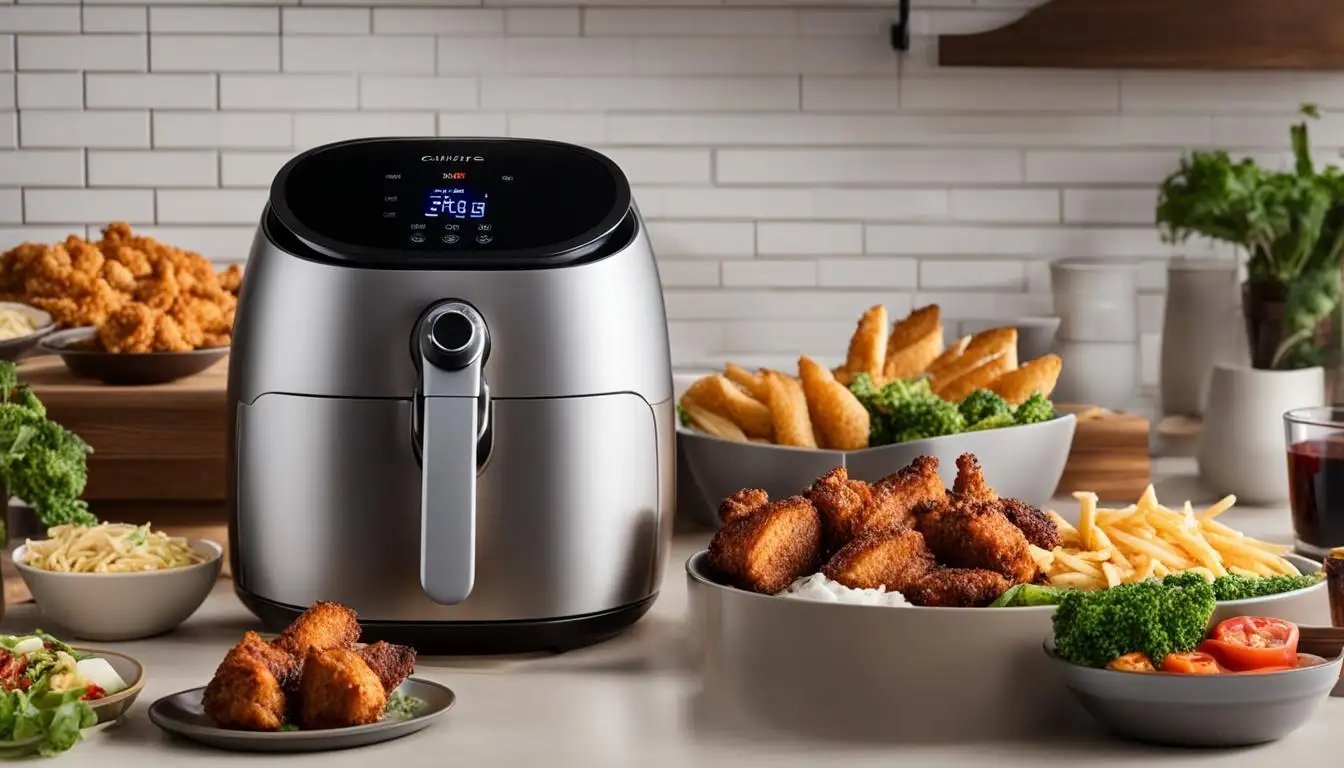
How To Use Air Fryer: Easy Beginner Guide
Introduction
Using an air fryer is simple: place dry, appropriately sized food in the basket, set the temperature and cooking time, and cook until the food is browned and reaches a safe internal temperature. For most recipes, shaking or turning the food halfway through helps it cook more evenly.
Air fryers are popular in U.S. kitchens because they can cook foods quickly with less oil than traditional deep-frying. However, an air fryer is not a magic appliance that cooks every food the same way. Basket size, wattage, food thickness, starting temperature, and the manufacturer’s instructions all affect the result.
This guide explains how to use an air fryer safely, how to choose cooking temperatures and times, how to avoid common mistakes, and how to tell when food is properly cooked.
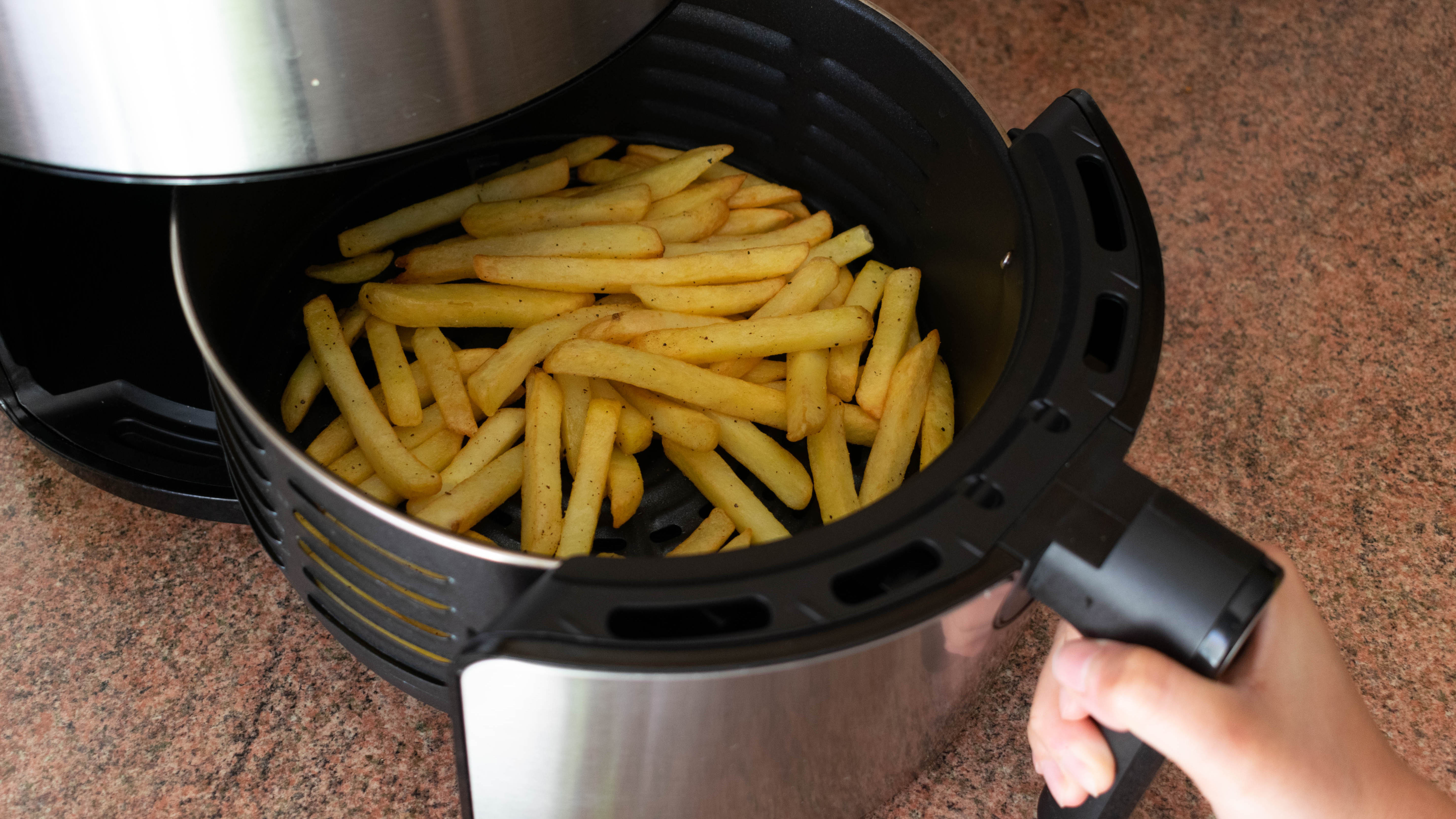
What Is an Air Fryer?
An air fryer is a compact countertop convection oven. It uses a heating element and a fan to circulate hot air around food placed in a perforated basket or tray.
The circulating air removes surface moisture and encourages browning. A small amount of oil can improve color and crispness, but the appliance does not actually “fry” food in the same way as a deep fryer filled with oil.
Most air fryers include some combination of these controls:
- Temperature control: Common settings range from about 175°F to 400°F, although the exact range varies by model.
- Timer: Controls the cooking duration and may automatically stop the appliance.
- Basket or tray: Holds food while allowing hot air to circulate underneath.
- Preset programs: May include fries, chicken, vegetables, fish, or reheating. Presets are starting points rather than guarantees.
- Preheat function: Some models preheat automatically, while others require you to run the appliance empty for a few minutes.
Air fryers come in basket-style and oven-style designs. Basket models generally cook smaller batches, while toaster-oven-style air fryers may offer multiple racks and more capacity. The same temperature and time may not produce identical results across different models.
Air fryer versus convection oven
An air fryer is essentially a small, powerful convection oven with a compact cooking chamber. Its smaller space can heat quickly and move air close to the food. A full-size convection oven offers more capacity but may take longer to preheat and cook small portions.
Neither appliance automatically makes food healthier. The overall nutrition still depends on the food, portion size, breading, sauces, and amount of oil used.
How to Use an Air Fryer Step by Step
Follow these steps for most air-fryer recipes. If your owner’s manual gives different instructions, follow the manual for your specific model.
1. Read the owner’s manual
Before cooking, check the manual for:
- Maximum fill level
- Recommended cookware
- Preheating instructions
- Temperature limits
- Dishwasher-safe parts
- Cleaning requirements
- Whether the basket can be removed during cooking
- Required clearance around the appliance
Some models have exposed heating elements, rotating baskets, multiple racks, or special accessories. Instructions that are safe for one air fryer may not apply to another.
2. Place the air fryer safely
Set the appliance on a stable, heat-resistant countertop. Leave open space around the vents, especially at the back and sides. Do not operate it directly beneath cabinets if the manufacturer warns against overhead heat or steam.
Keep the air fryer away from water, curtains, paper towels, and other flammable materials. Do not place it on a stovetop that may be turned on accidentally.
3. Preheat when appropriate
Preheating usually takes about 3 to 5 minutes, but the time depends on the model. Preheating can improve browning and makes cooking times more predictable.
Preheating is especially useful for:
- Frozen fries and breaded foods
- Steak, pork chops, and other foods where surface browning matters
- Small baked items
- Recipes written specifically for a preheated air fryer
You may not need to preheat for every food. A manual or recipe may instruct you to place food in a cold basket and begin cooking immediately. If you preheat, do not leave loose parchment paper or lightweight liners inside the empty basket; the fan can lift them into the heating element.
4. Prepare the food
For better browning, pat wet foods dry before seasoning or oiling them. Cut food into pieces of similar size so the pieces finish at roughly the same time.
Use oil selectively:
- Toss vegetables with a light coating of oil.
- Mist or brush a small amount onto lean proteins if the surface looks dry.
- Avoid pouring oil into the bottom of a basket-style air fryer unless the manual specifically permits it.
- Do not use aerosol cooking sprays that contain additives known to damage some nonstick coatings. A refillable oil mister or a small amount of oil applied directly to the food is often more suitable.
Wet batter can drip through the basket and may not set properly. For battered foods, use a recipe designed for air frying or use a dry coating such as flour, egg, and breadcrumbs.
5. Arrange food in a single layer
Put food in the basket with space between pieces whenever possible. Hot air needs to reach the exposed surfaces.
Avoid packing the basket tightly. Overcrowding can cause:
- Steaming instead of crisping
- Uneven browning
- Longer cooking times
- Undercooked centers
- Food that requires frequent stirring
A single layer is ideal for fries, vegetables, wings, and breaded pieces. If you need to cook more food, use multiple batches rather than filling the basket beyond the manufacturer’s recommended level.
6. Set the temperature and time
Choose a temperature based on the food and recipe. If you are adapting a conventional oven recipe, a practical starting point is to reduce the temperature by about 25°F and begin checking earlier than the original time. This is only a starting adjustment; air-fryer performance varies.
Set the timer for less time than you think the food may require. You can continue cooking, but you cannot undo overcooking. Check thin or small foods early because they can brown quickly.
7. Shake, turn, or rotate the food
Shake the basket halfway through cooking when the food is small and loose, such as:
- French fries
- Tater tots
- Brussels sprouts
- Diced potatoes
- Frozen vegetables
Turn larger pieces such as chicken breasts, fish fillets, burgers, and pork chops with tongs. If you are using multiple racks in an oven-style model, rotate the racks if the manual or recipe recommends it.
Do not shake the basket over an open sink if it contains hot oil or loose food that could fall onto a person or a surface.
8. Check for doneness
Visual browning is not enough to confirm that meat, poultry, seafood, or reheated leftovers are safe. Use an instant-read food thermometer in the thickest part of the food, avoiding bones and the basket.
According to the U.S. Department of Agriculture, common minimum internal temperatures include:
| Food | Safe minimum internal temperature |
|---|---|
| Poultry, including chicken and turkey | 165°F |
| Ground beef, pork, lamb, and veal | 160°F |
| Whole cuts of beef, pork, lamb, and veal | 145°F, followed by a 3-minute rest |
| Fish and shellfish | 145°F |
| Leftovers and casseroles | 165°F |
These temperatures are food-safety targets, not guaranteed cooking times. A thick chicken breast may take much longer than a thin one even at the same air-fryer temperature.
9. Remove the food carefully
The basket, tray, and food may be extremely hot. Use the handle or heat-resistant mitts. Place the hot basket on a heat-resistant surface, not directly on a countertop that can be damaged by heat.
Let food rest when appropriate. Resting can help meat retain juices and allows the internal temperature to stabilize.
10. Turn off and clean the appliance
Unplug the air fryer after use if the manual recommends unplugging it, and allow it to cool before cleaning.
Wash the removable basket and tray according to the manufacturer’s instructions. Use warm water, dish soap, and a nonabrasive sponge unless the manual specifies another method. Avoid metal utensils and abrasive cleaners that can damage nonstick surfaces.
Wipe the interior and heating element only when the appliance is cool and unplugged. Remove grease buildup promptly, since accumulated grease can smoke or create a fire hazard.

Air Fryer Temperature and Cooking Time Guide
The following table provides starting points for common foods. Actual results vary by model, food size, quantity, whether the food is fresh or frozen, and whether the appliance is preheated.
| Food | Starting temperature | Approximate time | Practical check |
|---|---|---|---|
| Frozen French fries | 380–400°F | 12–22 minutes | Shake several times; cook until crisp |
| Tater tots | 400°F | 12–18 minutes | Shake halfway through |
| Chicken wings | 380–400°F | 20–30 minutes | Confirm poultry reaches 165°F |
| Boneless chicken breast | 375°F | 16–25 minutes | Check the thickest portion |
| Chicken tenders | 375–400°F | 10–16 minutes | Check breading and internal temperature |
| Salmon fillet | 375–400°F | 8–14 minutes | Check for 145°F or preferred doneness |
| Hamburger patties | 375–400°F | 8–15 minutes | Check the center with a thermometer |
| Pork chops | 375–400°F | 12–20 minutes | Check for at least 145°F and rest 3 minutes |
| Broccoli florets | 375–400°F | 8–14 minutes | Shake or turn; avoid burning tips |
| Brussels sprouts | 375–400°F | 12–18 minutes | Cut large sprouts in half |
| Baked potato | 375–400°F | 35–55 minutes | Pierce if recommended by your manual; check tenderness |
| Reheating pizza | 325–375°F | 3–8 minutes | Check frequently to prevent drying |
These ranges are not substitutes for a recipe or thermometer. Food pieces should be arranged so that air can circulate around them.
How to convert an oven recipe
When adapting a standard oven recipe:
- Reduce the temperature by approximately 25°F as a first trial.
- Start checking the food 20% to 25% earlier than the oven recipe’s listed time.
- Use a thermometer for meat, poultry, seafood, and leftovers.
- Adjust the next batch based on browning, texture, and internal temperature.
For example, if a conventional oven recipe calls for 400°F for 25 minutes, try 375°F for about 18 to 20 minutes in the air fryer, then check the food. This is a hypothetical starting calculation, not a universal conversion rule.
How to Get Food Crispy in an Air Fryer
Crisp food depends on dry surfaces, adequate airflow, and appropriate heat. Use these techniques:
- Pat fresh vegetables, potatoes, and proteins dry.
- Use a thin layer of oil rather than soaking the food.
- Leave space between pieces.
- Avoid adding too much wet sauce at the beginning.
- Shake or turn the food during cooking.
- Cook in batches if necessary.
- Drain high-moisture foods before they go into the basket.
- Add sauces near the end so they do not burn or prevent browning.
For homemade fries, soaking cut potatoes can remove some surface starch, but the potatoes must be dried thoroughly afterward. Wet potatoes tend to steam rather than crisp.
Breading can become crisp when it is firmly attached and lightly coated with oil. Loose flour or wet batter may blow around, drip through the basket, or remain powdery.
What Can and Cannot Go in an Air Fryer?
Most foods that can be roasted, baked, or reheated can be adapted for an air fryer. Good choices include:
- Fresh and frozen vegetables
- Potatoes and other firm vegetables
- Chicken wings and tenders
- Fish fillets
- Burgers and meatballs
- Sausages
- Toasted sandwiches
- Frozen snacks
- Small baked goods designed for the appliance
Use caution with foods that are very wet, highly delicate, or likely to release large amounts of grease.
Avoid or modify these items:
- Loose parchment paper: It can lift into the heating element unless it is held down by food and approved for the appliance.
- Plastic containers: Use only cookware clearly labeled for the air fryer’s temperature range.
- Large amounts of cheese: Melted cheese can drip, smoke, and stick.
- Loose lightweight leafy greens: They may blow around and scorch.
- Wet batter: It may not set before dripping through the basket.
- Large whole foods: They may block airflow or sit too close to the heating element.
- Excess oil: Air fryers are not designed for deep-frying.
Always confirm that glass, ceramic, silicone, foil, parchment, or other accessories are approved by the manufacturer. Accessories can alter airflow and cooking time.

Common Air Fryer Mistakes and How to Fix Them
The food is not crispy
Likely causes:
- The basket is overcrowded.
- The food surface is wet.
- Too much sauce was added early.
- The temperature is too low.
- The food was not shaken or turned.
Fix: Dry the food, use less sauce, cook a smaller batch, and continue cooking in short intervals while checking frequently.
The outside is burned but the inside is raw
Likely causes:
- Pieces are too thick.
- The temperature is too high.
- Food is unevenly sized.
- The basket is too close to the heating element.
Fix: Lower the temperature, cut food into more uniform pieces, and use a thermometer. For thick foods, a lower temperature with a longer cooking time may work better.
The food cooks unevenly
Likely causes:
- The basket is overfilled.
- Pieces are touching.
- The rack position is uneven in an oven-style model.
- The food was not turned.
Fix: Spread food into a single layer, cook in batches, and rotate or turn items as needed.
The air fryer produces smoke
A small amount of smoke can occur when fatty foods release grease onto a hot surface. Heavy or continuous smoke is a warning sign.
If the air fryer smokes:
- Stop the appliance and unplug it if it is safe to do so.
- Keep the basket and appliance in place while they cool.
- Do not pour water onto an electrical appliance or a grease fire.
- Clean accumulated grease before using it again.
- Contact the manufacturer if smoke continues without an obvious food-related cause.
For a grease fire, do not use water. Leave the appliance closed if doing so is safe and follow local fire-safety guidance. Call 911 if the fire cannot be controlled immediately.
The air fryer smells like plastic
A new appliance may have a temporary manufacturing odor, but strong or persistent chemical smells are not something to ignore. Wash removable parts as directed, run the appliance only if the manufacturer recommends an initial burn-in cycle, and stop using it if the odor continues, parts deform, or smoke appears.
Food sticks to the basket
Use enough oil to coat the food lightly, avoid moving delicate food too early, and allow breading to set before turning. A compatible silicone accessory or parchment liner may help, but it can also restrict airflow. Follow the manufacturer’s instructions.
Air Fryer Safety Rules
Air fryers are generally straightforward to operate, but they involve high heat, hot grease, and electricity. Follow these safety practices:
- Never leave an operating air fryer unattended for extended periods.
- Keep the appliance away from water and flammable objects.
- Do not block ventilation openings.
- Do not overfill the basket.
- Do not touch the basket, tray, or heating element without protection.
- Do not operate the appliance with a damaged cord, plug, basket, or housing.
- Keep children away from the hot appliance.
- Use a food thermometer for meat, poultry, fish, and leftovers.
- Refrigerate perishable food promptly rather than leaving it at room temperature.
- Clean grease and food debris from the basket and interior.
- Follow the manual for extension-cord use; many manufacturers recommend plugging the appliance directly into a grounded wall outlet.
The U.S. Consumer Product Safety Commission and local fire authorities provide general appliance and fire-safety information. The appliance manual remains the most relevant source for model-specific electrical and operating limits.

How to Clean an Air Fryer
Clean the air fryer after it cools. Regular cleaning reduces smoke, odors, sticking, and grease buildup.
- Unplug the appliance and let it cool completely.
- Remove the basket, tray, or racks.
- Wash removable parts according to the manual.
- Soak stuck-on food if permitted, rather than scraping aggressively.
- Wipe the interior with a damp, nonabrasive cloth.
- Remove crumbs and grease from around the heating element.
- Dry every part completely before reassembling.
- Check that the vents are free of dust and grease.
Do not immerse the main electrical housing in water. Do not use oven cleaner or harsh abrasives unless the manufacturer specifically permits them.
If the basket coating is peeling, severely scratched, warped, or damaged, stop using it and check whether the manufacturer offers a replacement.
Frequently Asked Questions
Do you need to preheat an air fryer?
Not always. Preheating can improve browning and make cooking times more consistent, especially for frozen foods, meat, and baked items. Follow the recipe or owner’s manual. Never place loose parchment or other lightweight material in an empty preheating basket.
Can you put aluminum foil in an air fryer?
Sometimes, but only when the manufacturer allows it and the foil does not block essential airflow. Secure it under food so it cannot contact the heating element or be lifted by the fan. Do not cover the entire basket or ventilation openings.
Can you use an air fryer without oil?
Yes. Many foods, including frozen fries, breaded products, and naturally fatty meats, can cook without added oil. A small amount of oil may improve browning and prevent lean foods or vegetables from drying out.
Can you put frozen food in an air fryer?
Yes. Air fryers commonly cook frozen fries, vegetables, chicken pieces, fish, and prepared snacks. Frozen food may require shaking, a longer cooking time, or a slightly different temperature than fresh food. Check the center of meat and poultry with a thermometer.
Why does my air fryer take longer than the recipe says?
The recipe may use a different air-fryer model, basket size, wattage, food quantity, or starting temperature. Overcrowding and thick pieces are common causes. Cook in smaller batches, verify the appliance’s actual temperature if necessary, and use internal temperature rather than time alone for safety.
Key Takeaways
- Read the manual before using a new air fryer.
- Preheat when the recipe or model recommends it.
- Keep food in a single layer with space for airflow.
- Shake or turn food halfway through cooking.
- Use a thermometer for meat, poultry, seafood, and leftovers.
- Start checking early because air-fryer models vary.
- Avoid loose paper, excess oil, blocked vents, and overcrowded baskets.
- Clean grease and food residue after the appliance cools.
Conclusion
To use an air fryer successfully, treat it as a compact convection oven rather than a deep fryer. Prepare food in even pieces, use a light coating of oil when helpful, leave room for air circulation, and check food before the timer ends. For safety, confirm the internal temperature of meat, poultry, seafood, and leftovers with a food thermometer.
Start with a small batch of a familiar food, such as frozen fries or roasted vegetables. Record the temperature, time, and amount used, then adjust the next batch for your specific air fryer.
4 Comments