

Air Fryer Frozen Fish Fillets: Crispy In Minutes
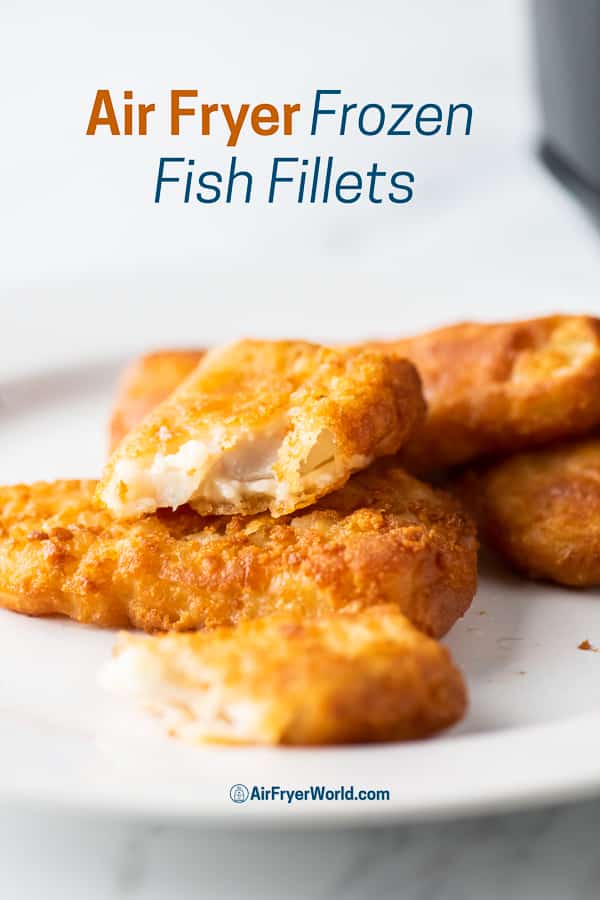
Frozen fish fillets cook well in an air fryer, even when you do not thaw them first. For most frozen fillets, set the air fryer to 400°F and cook for about 10 to 18 minutes, depending on the fish type, thickness, coating, and brand instructions. Turn the fish halfway through cooking when the package allows it.
The safest sign that frozen fish is ready is an internal temperature of 145°F, measured in the thickest part with a food thermometer. The fish should look opaque and separate easily with a fork. This method works well in U.S. kitchens because it is fast, needs little oil, and avoids the mess of pan-frying.

Quick Answer: How Long Do You Cook Frozen Fish Fillets in an Air Fryer?
Cook frozen fish fillets at 400°F for 10 to 18 minutes. Thin breaded fillets may finish near 10 minutes. Thick plain fillets may need 15 to 18 minutes or more.
Use the package directions as your starting point. Air fryers vary in size and power, so cooking times are estimates. Check the thickest fillet with a food thermometer. Fish is done at 145°F, according to the USDA.
| Type of frozen fish fillet | Air fryer temperature | Approximate time | Turn? |
|---|---|---|---|
| Thin breaded fillet | 400°F | 10–12 minutes | Usually yes |
| Thick breaded fillet | 400°F | 12–18 minutes | Usually yes |
| Plain white fish fillet | 400°F | 12–18 minutes | Yes, if possible |
| Salmon fillet | 380–400°F | 12–18 minutes | Optional |
| Fish sticks | 400°F | 8–12 minutes | Yes |
These times assume a preheated air fryer, a single layer of fish, and fillets cooked from frozen. A crowded basket, very thick fish, or a cold air fryer may add several minutes.
What You Need
You need only a few items to cook frozen fish in an air fryer:
- Frozen fish fillets
- An air fryer
- Cooking spray or a small amount of oil, if needed
- Tongs or a thin spatula
- A food thermometer
- Lemon, tartar sauce, or another serving sauce
Breaded fish often needs no extra oil. Plain fish may benefit from a light spray of oil to help the surface brown. Do not pour loose oil into the bottom of the air fryer. Too much oil can smoke and may damage some models.
Check the package before cooking. Some frozen fish products are fully breaded, some are lightly coated, and some are plain. Some packages also give air fryer directions that differ from oven directions.

How to Cook Frozen Fish Fillets in an Air Fryer
Follow these steps for crisp breaded fish or tender plain fillets.
1. Preheat the air fryer
Preheat the air fryer to 400°F for about 3 minutes, unless your model says preheating is not needed. Preheating can help the coating crisp faster.
A cold basket is not unsafe, but it may change the cooking time. If you skip preheating, check the fish a few minutes later than the usual midpoint.
2. Prepare the fish
Remove the fillets from all plastic wrapping. Do not cook fish in its store package unless the package clearly says it is designed for air fryer use.
Brush or spray plain fish with a small amount of oil. Breaded fish can usually go straight into the basket. Do not thaw the fish unless the package specifically requires it.
3. Arrange the fillets in one layer
Place the frozen fillets in the air fryer basket with space between them. Air needs to move around each piece. Overlapping fish can stay soft, cold, or undercooked in the center.
For the best crust, place the breaded side facing up if the fillets have one clear top side. Avoid stacking fish.
4. Air fry at 400°F
Cook the fish for about 10 to 18 minutes. Start checking thin pieces after 8 to 10 minutes.
If the fillets are plain and delicate, 380°F to 390°F may help prevent a dry outside. If the coating needs more color, stay near 400°F and add one or two minutes at the end.
5. Turn halfway through cooking
Use tongs or a spatula to turn the fish halfway through the cook time. This helps both sides heat and brown.
Some breaded fillets can lose their coating when turned. If the package says not to turn them, follow that direction. You can also leave fragile fish in place and check the bottom near the end.
6. Check the internal temperature
Insert a food thermometer into the thickest part of the fish. The center should reach 145°F.
If the fish has a thin shape, insert the thermometer from the side. This makes it easier to reach the center rather than measuring only the surface.
7. Rest and serve
Let the fish rest for about 1 to 2 minutes. Serve it with lemon wedges, tartar sauce, coleslaw, rice, roasted vegetables, or fries.
Fish should be opaque and flaky. If the center still looks translucent or feels cold, return it to the air fryer for 2 to 3 minutes and check again.

Best Temperature for Frozen Fish in an Air Fryer
400°F is the best general setting for frozen breaded fish. It gives the coating enough heat to brown while the frozen center warms.
Plain fish can cook well at 380°F to 400°F. The lower end may be better for thick salmon or delicate cod because it can reduce surface drying. The higher end may be better for thin white fish or breaded fillets.
The package instructions should guide the final choice. A product made from a thin pollock fillet may cook much faster than a thick salmon portion, even at the same temperature.
How to Keep Frozen Fish Crispy
Use these simple steps for a firmer crust:
- Preheat the air fryer when the model allows it.
- Keep the fillets in one layer.
- Leave space between pieces.
- Avoid adding water or wet sauce before cooking.
- Use a light oil spray only when the coating or fish needs it.
- Turn the fish carefully halfway through.
- Serve soon after cooking.
Do not cover the basket with foil unless your air fryer manual allows it. Foil can block air movement. It can also lift into the heating element in some models.
Perforated parchment made for air fryers may reduce sticking, but it can also reduce airflow and crisping. Never place loose parchment in the basket during preheating. The fish should weigh it down.

Cooking Times for Common Frozen Fish Fillets
The table below gives a useful starting point. It is not a substitute for checking the package or the fish temperature.
| Fish or product | Suggested setting | Starting time | What to check |
|---|---|---|---|
| Breaded cod or pollock | 400°F | 10–15 minutes | Crisp coating and 145°F center |
| Plain cod or haddock | 390°F–400°F | 12–16 minutes | Opaque center and easy flaking |
| Breaded tilapia | 400°F | 10–14 minutes | Coating is crisp and fish is hot |
| Frozen salmon | 380°F–400°F | 12–18 minutes | Thickest part reaches 145°F |
| Breaded mahi-mahi | 400°F | 12–16 minutes | No cold center |
| Frozen fish sticks | 400°F | 8–12 minutes | Crisp outside and hot inside |
A thicker fillet may need more time than a thinner fillet of the same weight. A full basket also cooks more slowly because less hot air reaches each piece.
If fillets are different sizes, remove the small pieces first. Continue cooking the larger pieces until they reach 145°F.

How to Tell When Frozen Fish Is Done
The most reliable test is temperature. Fish is ready when the thickest part reaches 145°F.
You can also look for these signs:
- The flesh changes from translucent to opaque.
- The fish separates into flakes with gentle pressure.
- The center feels hot, not cool or icy.
- The breading is crisp and golden, when coated.
Color alone is not enough. Some fish stays pale even when fully cooked. A browned coating also does not prove that the center is done.
If the thermometer reads below 145°F, cook the fish for another 2 to 3 minutes. Check again in the thickest part.
Plain Frozen Fish vs. Breaded Frozen Fish
Breaded and plain fillets need slightly different handling.
Breaded fish
Breaded fish usually cooks best at 400°F. It often needs no added oil. Turn it carefully so the crust does not break away.
Do not use a wet marinade on frozen breaded fish. Moisture can make the coating soft. Add lemon juice or sauce after cooking instead.
Plain fish
Plain fish may need a light coat of oil, especially if it is lean. You can season it with salt, pepper, garlic powder, paprika, or dried herbs before cooking.
For thick plain fillets, use 380°F to 390°F if the outside browns or dries before the center reaches 145°F. A small piece of air fryer parchment can help reduce sticking, but it may also reduce browning.

Common Problems and Fixes
The fish is soggy
Soggy fish often comes from crowding, excess moisture, or a low cooking temperature. Cook fewer fillets at once. Keep the pieces apart and finish with 1 to 2 minutes at 400°F.
The coating sticks to the basket
The basket may not be hot enough, or the coating may be fragile. Lightly spray the basket if your manual permits it. Wait until the fish firms up before turning it.
A thin spatula is often safer than tongs for delicate breading.
The outside is brown but the center is cold
The fillets may be too thick for the chosen temperature, or the basket may be crowded. Lower the temperature slightly and continue cooking until the center reaches 145°F.
Do not judge doneness by the crust alone.
The fish is dry
Overcooking is the most likely cause. Start checking early, especially with thin tilapia, pollock, or small fish portions. A lower setting may help with thick plain fillets.
The fish smells strong
A mild ocean smell can be normal. A sharp, sour, ammonia-like, or rotten odor is not. Do not cook or eat fish with an abnormal odor. Dispose of it according to local rules.
The air fryer smokes
Excess oil, grease, or loose crumbs can smoke. Stop the appliance if needed, allow it to cool, and clean the basket and heating area according to the manual. Never pour water into a hot air fryer.
Food Safety for Frozen Fish
Keep frozen fish frozen until you are ready to cook it, unless the label gives different instructions. Store frozen seafood at 0°F or below for best quality, and keep it cold during transport.
The USDA recommends cooking fish to 145°F. A thermometer is especially useful for thick fillets, stuffed products, and breaded fish with a firm crust.
Wash your hands before and after handling raw seafood. Use clean plates and utensils for cooked fish. Do not place cooked fish on the plate that held the frozen raw product unless the plate has been washed.
Do not rely on the air fryer to make spoiled fish safe. Cooking can kill many harmful germs, but it does not correct every food quality or storage problem.
People at higher risk from foodborne illness, including young children, older adults, pregnant people, and those with weakened immune systems, should take extra care with seafood handling and cooking.
For current U.S. food safety guidance, see the USDA Safe Minimum Internal Temperature Chart and the FDA advice on seafood safety.

Can You Cook Frozen Fish Without Thawing It?
Yes. Most frozen fish fillets can go directly into the air fryer. Cooking from frozen can also help the fish keep its shape during cooking.
Thawing may be useful when:
- The product label requires it.
- The fillets are stuck together.
- You want to add a marinade.
- You need to shorten the cooking time.
- The pieces are unusually thick.
If you thaw fish, thaw it in the refrigerator, in cold water inside a sealed bag, or in the microwave if you will cook it at once. Do not thaw seafood on the kitchen counter.
Pat thawed fish dry before seasoning. Wet surfaces can steam instead of brown.
Nutrition and Serving Ideas
Air-fried fish can use less added oil than deep-fried fish, but the nutrition depends on the product. Breaded fish may contain more sodium and calories than plain fish. Read the Nutrition Facts label for the exact brand.
Serve air-fried fish with:
- Steamed broccoli or green beans
- A baked potato
- Brown rice or quinoa
- A cabbage slaw
- Corn and black beans
- Lemon and low-sodium tartar sauce
Plain fish gives you more control over salt, oil, and seasoning. Breaded fish offers more crunch and convenience but may have a thicker coating and more sodium.

Key Takeaways
- Cook frozen fish fillets at 400°F for about 10 to 18 minutes.
- Follow the package directions when they differ.
- Keep the fish in a single layer.
- Turn the fillets halfway through when practical.
- Check the thickest part with a thermometer.
- Fish is ready at 145°F.
- Add sauces after cooking to protect a crisp coating.
- Do not eat fish with a sour, ammonia-like, or rotten smell.
FAQs About Air Fryer Frozen Fish Fillets
Can I put frozen fish directly in the air fryer?
Yes. Most frozen fish fillets can be cooked directly from frozen. Remove all plastic packaging, place the fish in a single layer, and follow the package directions when available.
Do I need to spray frozen fish with oil?
No, not always. Breaded fish usually contains enough coating or oil to brown on its own. A light spray may help plain fish brown and prevent sticking.
Should I flip frozen fish fillets in the air fryer?
Usually, yes. Turning the fish can help both sides cook and brown. However, some fragile or heavily breaded products may lose their coating when flipped. Follow the package directions.
Can I cook frozen salmon in an air fryer?
Yes. Cook frozen salmon at about 380°F to 400°F for 12 to 18 minutes, depending on thickness. Check the center with a thermometer and cook until it reaches 145°F.
Why is my frozen fish not crispy?
Crowding, excess moisture, and a low temperature can prevent crisping. Leave space between the fillets, avoid wet sauces before cooking, and finish at 400°F for a minute or two if the fish is already cooked through.
Can I stack fish fillets in the air fryer?
No. Stacking blocks hot air and can leave some areas undercooked. Cook the fillets in batches if they do not fit in one layer.
What can I use instead of tartar sauce?
Try lemon juice, cocktail sauce, salsa, yogurt mixed with herbs, mustard sauce, or a simple mixture of mayonnaise and pickle relish.
Conclusion
Air fryer frozen fish fillets are simple to prepare: cook them in one layer at about 400°F, check them early, and confirm that the thickest part reaches 145°F. The exact time depends on the fish, coating, thickness, and air fryer model.
For the best result, keep moisture low, avoid crowding, and serve the fish soon after cooking. When in doubt, trust the food thermometer and the product label more than a fixed cooking time.



One Comment