
Ninja Foodi Salmon: Easy Juicy Air Fryer Recipe
Ninja Foodi salmon is best cooked with the Air Crisp or Bake function. For most fresh salmon fillets, cook at 390°F for 7 to 10 minutes, depending on thickness. The fish is ready when the thickest part reaches 145°F on an instant-read thermometer and flakes easily with a fork.
This guide is written for home cooks in the United States. It uses Fahrenheit, American food-safety guidance, and common Ninja Foodi settings. Since Ninja Foodi models differ, check your model’s manual before using pressure, steam, or broil functions.
Salmon cooks fast. The main risk is overcooking it. A thermometer works like a seat belt here: you may not need it every time, but it gives you a safer, more reliable result.

What You Need for Ninja Foodi Salmon
You need a Ninja Foodi, salmon fillets, a small amount of oil, and seasonings. A meat thermometer is also helpful because cooking time changes with the thickness of the fish.
Basic ingredients
For 2 salmon fillets, gather:
- 2 salmon fillets, about 5 to 6 ounces each
- 1 to 2 teaspoons olive oil or avocado oil
- ½ teaspoon kosher salt
- ¼ teaspoon black pepper
- ½ teaspoon garlic powder
- ½ teaspoon paprika
- Lemon wedges, for serving
You can use skin-on or skinless salmon. Skin-on fillets often stay moist and are easier to lift from the basket. Place them skin-side down during cooking.
Fresh or frozen salmon
Fresh or thawed salmon gives the most even result. You can also cook frozen salmon in the Ninja Foodi, but it usually needs more time and may need seasoning after the surface softens.
For frozen fillets:
- Remove all packaging and ice crystals.
- Pat away loose frost.
- Cook at 390°F for about 12 to 16 minutes.
- Check the thickest part with a thermometer.
- Continue cooking in 2-minute steps if needed.
Do not rely on time alone. Frozen fillets vary in size, shape, and ice buildup.
Choosing salmon
Atlantic salmon is common in American grocery stores and often has a rich, mild flavor. Sockeye salmon is leaner and can dry out sooner. Coho salmon falls between the two in fat and thickness.
The type matters less than the cut. A thick center-cut fillet needs more time than a thin tail piece, even if both weigh the same.

How to Cook Fresh Salmon in the Ninja Foodi Air Crisp Basket
The Air Crisp setting is the simplest way to make Ninja Foodi salmon. It uses hot moving air to cook the fish and lightly brown the outside.
Step-by-step method
-
Thaw the salmon if frozen.
Thaw it in the refrigerator, not on the counter. Pat the fillets dry with paper towels. -
Preheat the Foodi if your model allows it.
Set the Foodi to Air Crisp at 390°F for 3 to 5 minutes. Some models do not require preheating, but preheating can reduce cooking time. -
Season the salmon.
Brush the top with oil. Add salt, pepper, garlic powder, and paprika. Keep the seasoning light so it does not hide the flavor of the fish. -
Prepare the basket.
Lightly oil the crisper basket or use a small piece of perforated parchment made for air fryers. Do not block all air holes. Never use loose parchment during preheating. -
Place the salmon in the basket.
Leave space between the fillets. Put skin-side down when the salmon has skin. -
Air crisp at 390°F.
Cook for 7 to 10 minutes for fresh fillets about 1 inch thick. Avoid opening the lid too often because heat escapes each time. -
Check the temperature.
Insert the thermometer into the thickest part from the side. The FDA advises cooking fish to 145°F, or until the flesh is opaque and separates easily with a fork. -
Rest briefly.
Let the salmon rest for 2 to 3 minutes. Add lemon juice just before serving.
Cooking time guide
| Salmon condition | Foodi setting | Starting time | What to check |
|---|---|---|---|
| Fresh, ½ inch thick | Air Crisp, 390°F | 5–7 minutes | Temperature and flakes |
| Fresh, about 1 inch thick | Air Crisp, 390°F | 7–10 minutes | Thickest center |
| Thick center-cut fillet | Air Crisp, 390°F | 10–13 minutes | 145°F internally |
| Frozen fillet | Air Crisp, 390°F | 12–16 minutes | No cold center |
| Fresh salmon bites | Air Crisp, 390°F | 5–8 minutes | Small pieces cook fast |
These are starting ranges, not guarantees. A crowded basket, a cold Foodi, a thick fillet, or a different model can change the result.
Signs the salmon is done
Done salmon should look opaque around the edges and moist in the center. It should separate into flakes when pressed gently with a fork.
The thermometer is the best check. Insert it into the thickest section, avoiding the basket or a thin edge. If the reading is below 145°F, cook for 1 to 2 more minutes and check again.

Ninja Foodi Salmon With a Simple Lemon-Garlic Seasoning
Lemon, garlic, and butter pair well with salmon, but add butter carefully. Butter can brown quickly in the hot Foodi.
Mix the following for 2 fillets:
- 1 tablespoon melted butter
- 1 teaspoon lemon juice
- ½ teaspoon garlic powder
- ½ teaspoon dried parsley
- ¼ teaspoon salt
- A small pinch of black pepper
Brush the mixture over the salmon before cooking. For a brighter flavor, save most of the lemon juice for serving instead of adding it all before cooking.
You can also use these seasoning combinations:
- Maple mustard: 1 tablespoon maple syrup, 1 teaspoon Dijon mustard, and a pinch of black pepper
- Cajun style: Cajun seasoning, garlic powder, and a little oil
- Herb style: Dill, parsley, lemon zest, salt, and pepper
- Soy ginger: Low-sodium soy sauce, grated ginger, garlic, and a small amount of honey
Sugary sauces can burn. If a glaze contains honey, maple syrup, or brown sugar, apply a thin layer at the start and add more during the last 2 to 3 minutes.
How to Cook Salmon in the Ninja Foodi Bake Function
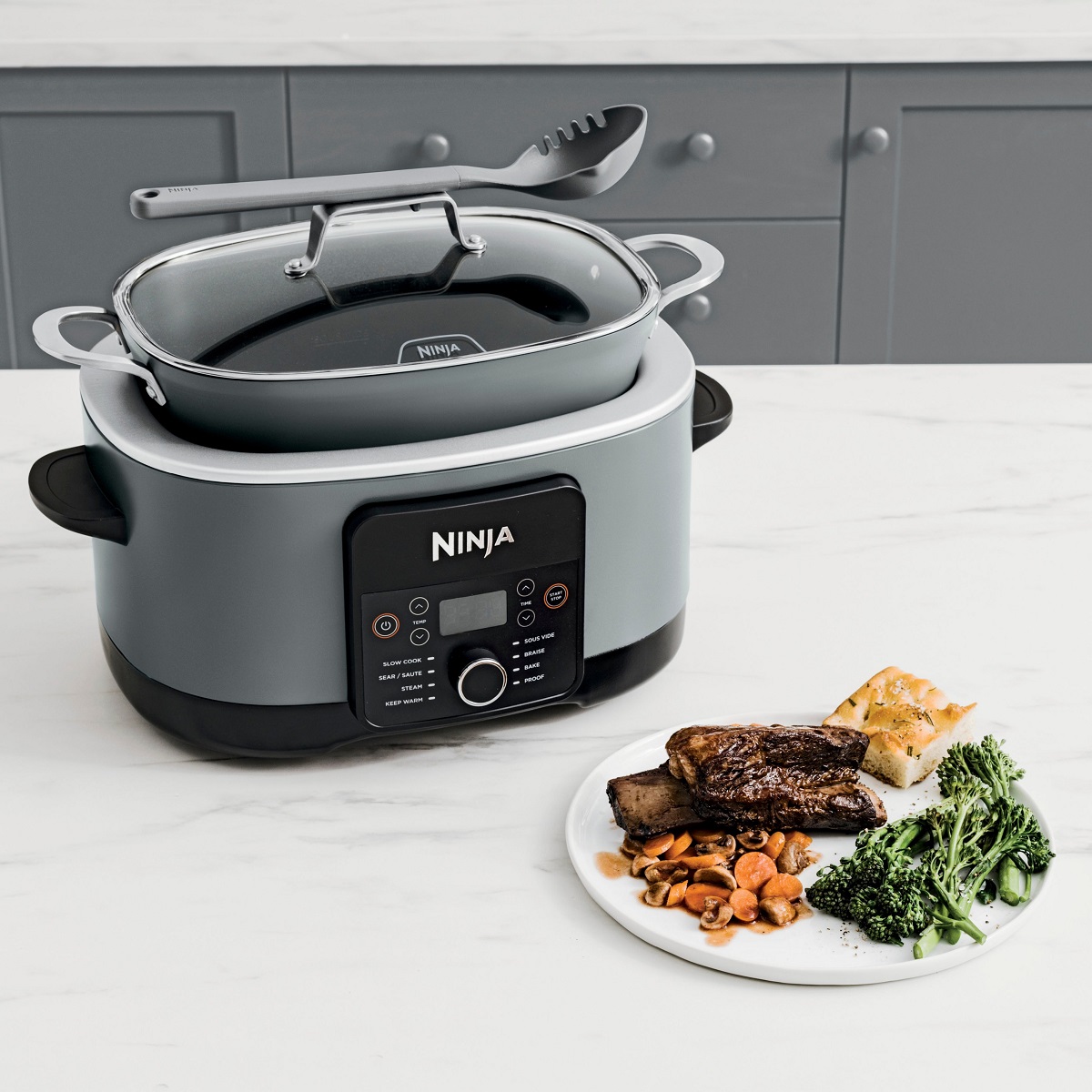
Use the Bake function when you want gentler heat or when you are cooking salmon in a small pan with vegetables or sauce.
Set the Foodi to Bake at 375°F. Place the seasoned salmon in an oven-safe dish that fits inside the pot. Bake fresh fillets for about 10 to 15 minutes, depending on thickness.
A dish can slow cooking because it limits direct airflow. This method may produce softer edges than Air Crisp, but it works well for salmon with cream sauce, tomatoes, spinach, or sliced vegetables.
Check the thickest part before serving. The salmon should reach 145°F under FDA guidance.
When Bake is better than Air Crisp
Choose Bake when:
- You are using a sauce.
- You want less browning.
- The salmon is delicate or thin.
- You are cooking fish with vegetables.
- You want to reduce splatter in the basket.
Choose Air Crisp when:
- You want the fastest method.
- You like lightly browned edges.
- You are cooking plain fillets.
- You want easy cleanup.

Can You Pressure Cook Salmon in a Ninja Foodi?
You can pressure cook salmon, but it is usually not the best choice for plain fillets. Pressure and steam cook fish very quickly, which makes the texture soft and increases the chance of overcooking.
For a pressure-cooked salmon dish, use the pressure function only when the recipe includes liquid and a supported cooking method. Follow the instructions for your exact Ninja Foodi model. Do not fill the pot beyond the marked maximum line, and do not block the pressure-release valve.
A better option for most fillets is Steam or Bake. These functions give you more control and make it easier to see when the salmon is done.
Never force the pressure lid open. Wait for the pressure to release according to the model’s instructions. Hot steam can cause serious burns.

How to Prevent Dry Ninja Foodi Salmon
The most common cause of dry salmon is excess cooking time. The fish may look fine when you remove it, then become dry as it continues to cook from retained heat.
Use these steps:
- Start checking early.
- Choose fillets of similar thickness.
- Avoid stacking the fish.
- Brush the surface with a little oil.
- Use a thermometer.
- Rest the salmon for only a few minutes.
- Add sauce after cooking if the fillet is lean.
Sockeye and thin tail pieces need extra care because they contain less fat or have less protection from heat. If one part of a fillet is much thinner, fold the thin end under itself so the piece has a more even shape.
Do not cover the basket with foil. It can block airflow and may move into the heating area. If you use foil or parchment in a compatible dish, follow the Foodi manual and keep it secured under the food.

Common Ninja Foodi Salmon Problems and Fixes
The salmon is raw in the center
The fillet may be too thick, still partly frozen, or crowded in the basket.
Check the center with a thermometer. Cook for another 1 to 2 minutes at 390°F, then check again. If the outside is browning too fast, reduce the temperature to 375°F and continue cooking.
The salmon is dry
The fish likely cooked too long or the fillet was very lean.
Next time, check the temperature earlier. Use a small amount of oil and remove the salmon when it reaches the recommended safe temperature. Avoid cooking by color alone.
The salmon sticks to the basket
A wet surface, low oil, or delicate skin can cause sticking.
Pat the fish dry, oil the basket lightly, and allow the salmon to cook undisturbed. A thin silicone liner designed for air fryers may help, but it can change airflow and cooking time.
The seasoning burns
Sugar-based glazes can burn at high heat.
Use less glaze at the start. Add the rest near the end, or cook the salmon at 375°F with a shorter final glaze step.
The Foodi produces smoke
Fat, oil, or sauce may have reached a hot surface. Stop the appliance if smoke is heavy. Let it cool, then clean the pot, basket, and heating area according to the manual.
Do not pour water into a hot appliance. If a grease fire occurs, do not use water. Turn off the appliance if safe to do so and follow emergency fire guidance.
Safe Storage and Reheating for Cooked Salmon
Refrigerate cooked salmon within 2 hours of cooking. If the room is above 90°F, refrigerate it within 1 hour. Store it in a shallow, covered container and use it within 3 to 4 days, following USDA guidance.
To reheat salmon, use the Foodi at 300°F to 325°F for several minutes. Add a teaspoon of water, broth, or lemon butter to help prevent dryness. Heat only until warm, because repeated heating can make the fish tough.
You can also eat chilled cooked salmon in salads, wraps, pasta, or rice bowls. Do not leave it at room temperature for long periods.
What to Serve With Ninja Foodi Salmon
Salmon pairs well with foods that balance its rich flavor. Try:
- Roasted asparagus
- Green beans
- Broccoli
- Brown rice
- Quinoa
- Mashed potatoes
- Corn
- A simple green salad
- Cucumber and yogurt sauce
- Lemon-dill rice
For a fast weeknight meal, cook the salmon first, then use the warm Foodi for vegetables if your model and cooking setup allow it. Keep raw fish tools separate from cooked-food utensils, and wash your hands and work surface after handling the raw salmon.
Frequently Asked Questions
Can I put aluminum foil under salmon in the Ninja Foodi?
Usually, foil can be used if it is secured by the food and does not block all airflow. However, model instructions differ. Never let foil touch the heating element, and do not use loose foil during preheating.
Should I flip salmon in the Ninja Foodi?
You usually do not need to flip salmon. Keeping it skin-side down protects the flesh and reduces the chance of breaking the fillet. Flip only if your recipe or model instructions call for it.
Do I need to preheat the Ninja Foodi?
Preheating can make cooking more consistent, but not every Ninja Foodi model requires it. If your manual says preheating is optional, add a few minutes to the cooking time when starting with a cold unit.
Can I cook salmon bites in the Ninja Foodi?
Yes. Cut the salmon into similar-size pieces, coat them lightly with oil and seasoning, and Air Crisp at 390°F for about 5 to 8 minutes. Check early because small pieces cook quickly.
Can I cook salmon with the skin on?
Yes. Place the salmon skin-side down. The skin helps hold the fillet together and can protect the flesh from direct heat. You can remove the skin after cooking if you prefer.
Conclusion
The easiest Ninja Foodi salmon method is Air Crisp at 390°F. Start with 7 to 10 minutes for a fresh fillet about 1 inch thick, then check the thickest part with a thermometer. Cook until it reaches 145°F, rests briefly, and flakes easily.
For the best texture, dry the salmon first, avoid crowding the basket, and check early. If the fillet is thin, lean, glazed, or frozen, adjust the time and temperature rather than following a fixed number blindly.
Sources used for food-safety and appliance guidance
- U.S. Food and Drug Administration: Selecting and Serving Fresh and Frozen Seafood Safely
- USDA FoodKeeper: Storage Guidelines
- Ninja Kitchen Support for model-specific Foodi instructions and safety limits