
How Does Air Fryer Work: Crispy Science Explained
An air fryer blasts hot air over food with a strong fan to crisp fast.
If you have wondered How Does Air Fryer Work, you are in the right place. I test kitchen gear for a living, and I have used air fryers daily for years. In this guide, I explain the tech, the science, and the simple steps that make that golden, crunchy finish with little oil. You will learn what to expect, what to avoid, and how to get perfect results at home.
What Is an Air Fryer?
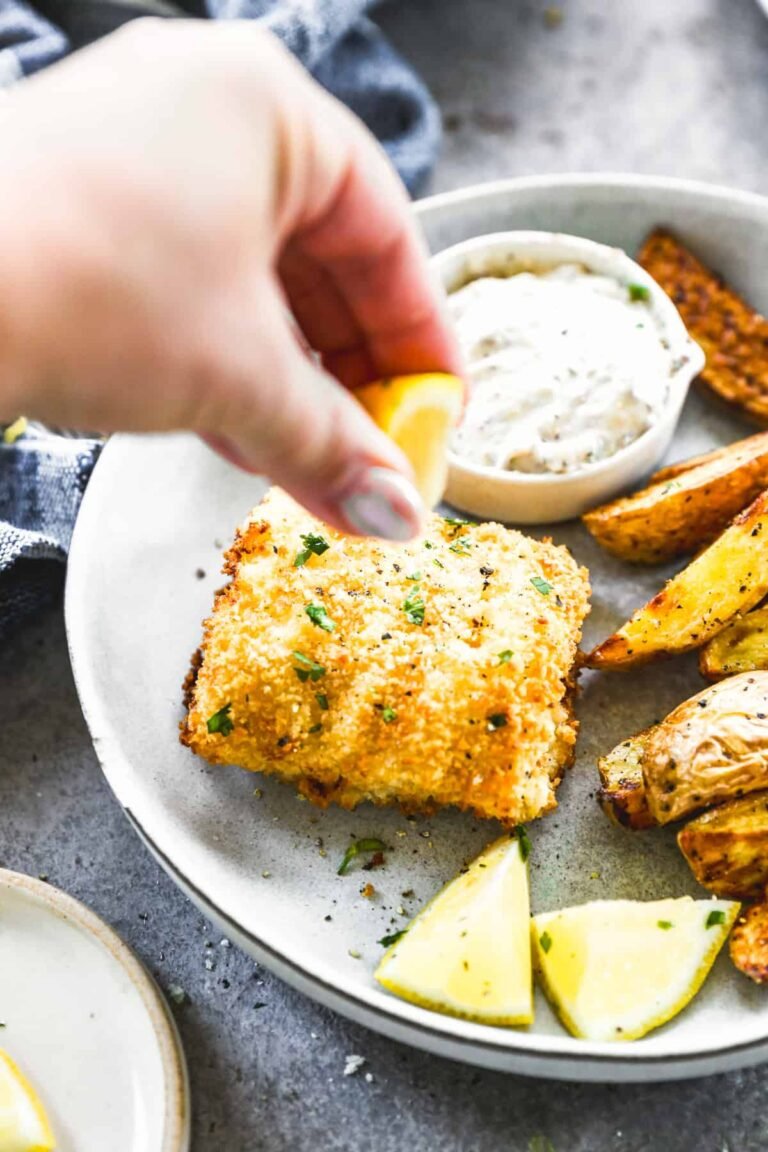
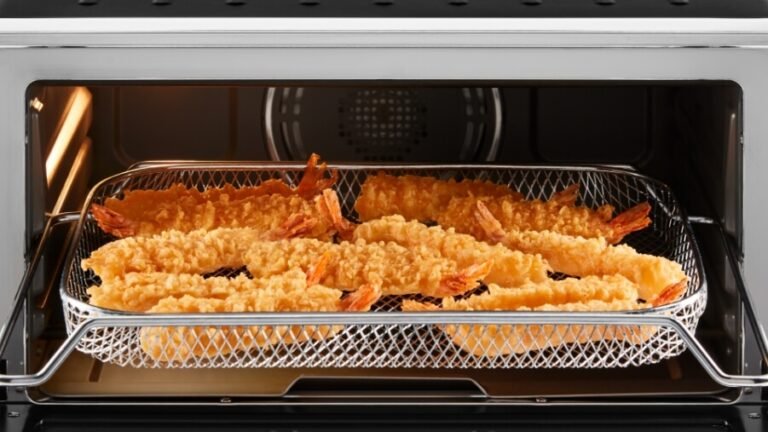
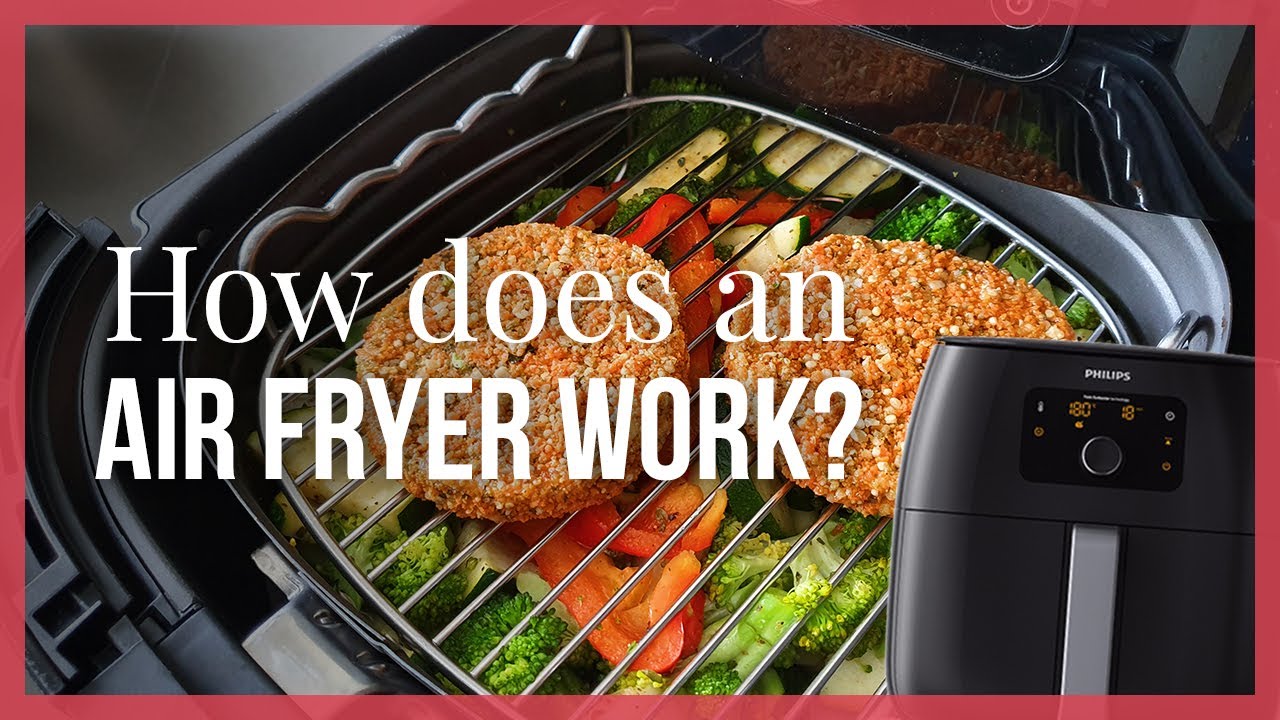
An air fryer is a compact, high-speed convection oven. It uses a heating coil and a fan to push hot air around your food. The air moves fast, so the surface dries and browns, while the inside stays moist. It makes fries, chicken, fish, and veggies crisp with only a small amount of oil.
When someone asks How Does Air Fryer Work, think of it like a wind tunnel for heat. The fan drives hot air through a basket with holes. The holes let air reach every side. That even flow is why food cooks fast and turns golden.

How Does Air Fryer Work: The Core Science
The core idea is rapid convection. A coil heats air to a set temp, often 350–400°F. A fan pulls the hot air across your food again and again. This fast flow breaks the thin layer of cool air on the surface. Heat and moisture exchange better, so browning starts sooner.
Here is the simple science behind How Does Air Fryer Work:
- Convection moves heat faster than still air. This speeds cook time.
- Evaporation dries the surface. Dry surfaces brown and crisp.
- A tiny bit of oil helps heat spread and boosts flavor.
In tests, I see 20–40% faster cook times versus a big oven at the same temp. The small space and the strong fan do the heavy lifting.

Inside the Machine: Parts and Airflow
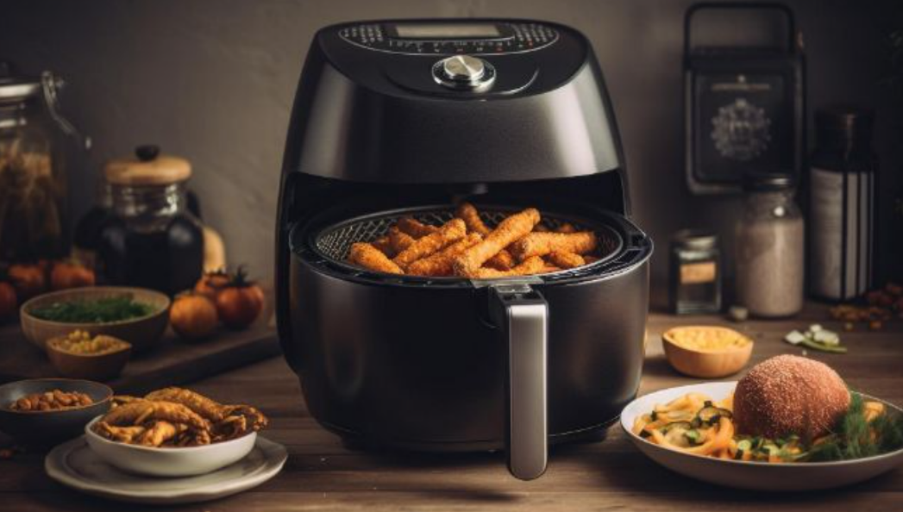
Most basket-style air fryers have a few key parts:
- Heating element A metal coil near the top that warms the air fast.
- High-speed fan A fan above the coil that pushes air down and around.
- Basket or tray A perforated basket that lets air touch all sides of food.
- Drip pan A bottom tray that catches oil and crumbs.
- Thermostat and controls A sensor and chip that hold the set temp.
Air enters at the top, heats up, then flows over and under the food. The basket holes reduce steam buildup. This airflow pattern is the heart of How Does Air Fryer Work.
Step-by-Step: How Does Air Fryer Work During a Cook
Here is what happens when you press start:
- Preheat The coil and fan raise the chamber to temp. This can take 2–5 minutes.
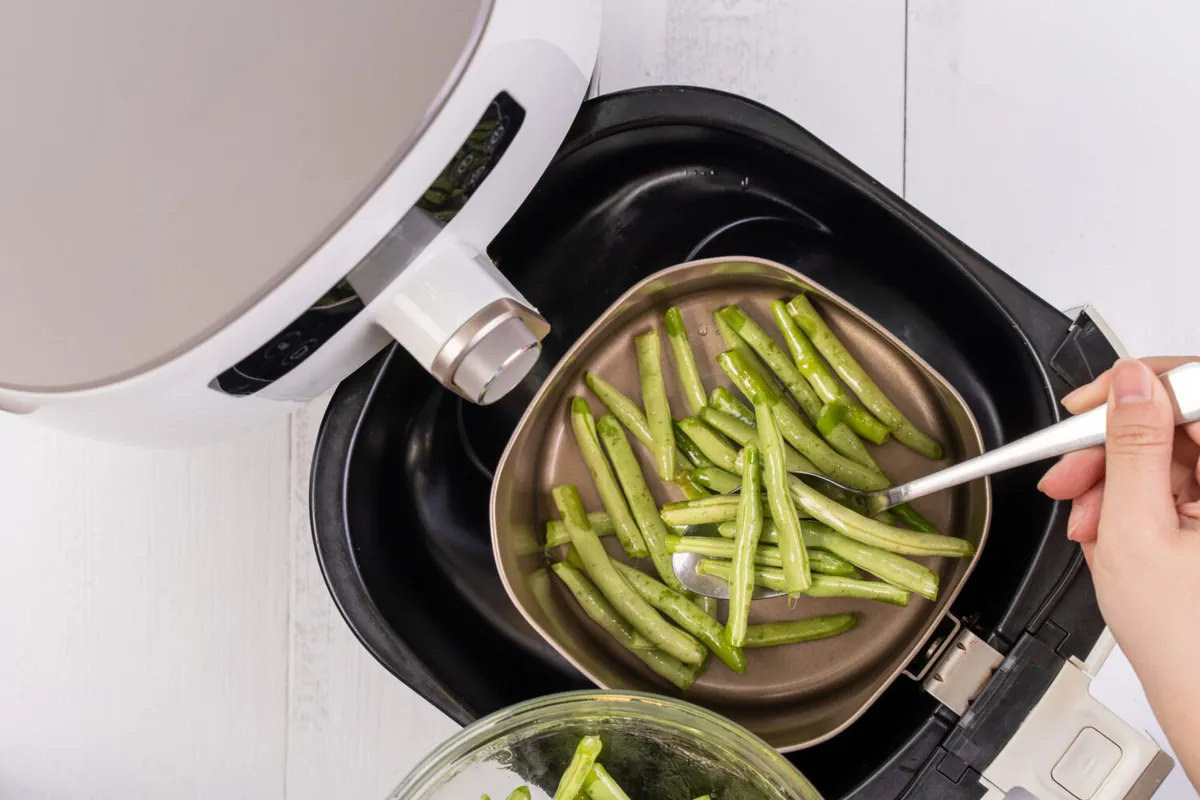
- Load Food goes in a single layer. Space lets air reach all sides.
- Rapid air cycle The fan keeps hot air moving. The surface dries and browns.
- Shake or flip Midway, a quick toss exposes soft spots to more heat.
- Finish carryover When you stop, heat inside the food keeps cooking for a minute.
This step-by-step flow is the practical path of How Does Air Fryer Work. Keep the basket no more than two-thirds full. That lets the air do its job.

Heat Transfer and Browning: Maillard Made Simple
The Maillard reaction is what makes food brown and tasty. It starts when proteins and sugars react at higher heat. In an air fryer, you hit this stage fast because the air is hot and dry. That is why fries and wings turn crisp with so little oil.
A tiny oil film helps heat spread. I use 1–2 teaspoons for a full basket of fries. That is enough to boost browning without grease. This is a big piece of How Does Air Fryer Work in real kitchens.
Benefits You’ll Notice
Air fryers shine when you want speed, crunch, and less mess. My top perks:
- Faster dinners Shorter preheat and faster cook times.
- Crisp with less oil A light spray still brings real crunch.
- Easy cleanup Nonstick baskets and fewer pans to wash.
- Great for small homes Small footprint and low heat output.
If friends ask How Does Air Fryer Work and why it is useful, this is why. It makes weeknight cooking simple and fun.
Limits and Trade-offs to Know
Air fryers are not perfect. Know these limits:
- Batch size Small baskets can crowd fast. Big families may need two rounds.
- Some foods dry out Thin fish or lean cuts can overcook if you are not careful.
- Noise and airflow The fan hums. Very light items can move around.
- Texture differences Deep-fried texture is richer. Air fry is lighter and drier.
These trade-offs are part of How Does Air Fryer Work. Plan for them, and your results will improve.

Safety, Care, and Cleaning
Good care keeps flavor high and smoke low.
- Use high smoke point oils Canola, avocado, or peanut for hotter temps.
- Wipe the coil area Cool first, then wipe splatter to prevent smoke.
- Clean the basket Soak, then use a soft sponge. Avoid metal scrubbers.
- Watch liners Use perforated parchment. Do not block airflow.
A few minutes of care protects nonstick coatings. It also keeps airflow strong, which is central to How Does Air Fryer Work.

Buying Tips: Picking the Right Air Fryer
Your best pick depends on space, size, and style.
- Basket vs oven style Basket gives top crisp. Oven style fits more and can bake.
- Size 4–5 quarts suits 1–3 people. 6–8 quarts suits families.
- Controls Look for wide temp range, preheat, shake reminder, and keep warm.
- Power 1400–1700 watts heat faster and hold temp better.
I choose models with removable parts that go in the dishwasher. That ease is huge. When you know How Does Air Fryer Work, you can pick features that match your habits.
Common Myths and Mistakes
Let’s clear up a few points I hear a lot:
- Myth Air fryers “fry without oil.” Truth A small amount of oil still helps browning.
- Mistake Overcrowding the basket. Fix Cook in batches or get a larger unit.
- Myth No preheat needed. Truth A short preheat improves sear and speed.
- Mistake Ignoring shake prompts. Fix Toss halfway for even color.
Knowing these tips is part of mastering How Does Air Fryer Work.
My Test Notes and Real-Life Tips
I have cooked hundreds of batches of fries, wings, salmon, and veg. Here is what always works for me:
- Dry, then oil Pat food dry first. Moisture fights crisp.
- Salt at the right time Salt raw fries before cooking. For meats, salt earlier to draw out water and boost browning.
- Use a light coat of oil I use a spray bottle. Thin is best.
- Mind the finish Temp Pull chicken at 165°F internal. Salmon at 125–130°F for moist flakes.
Time targets I like:
- Frozen fries 400°F, 12–16 minutes, shake twice.
- Wings 380°F for 18–22 minutes, then 400°F for 3–5 to finish.
- Salmon 370°F for 7–10 minutes, depending on thickness.
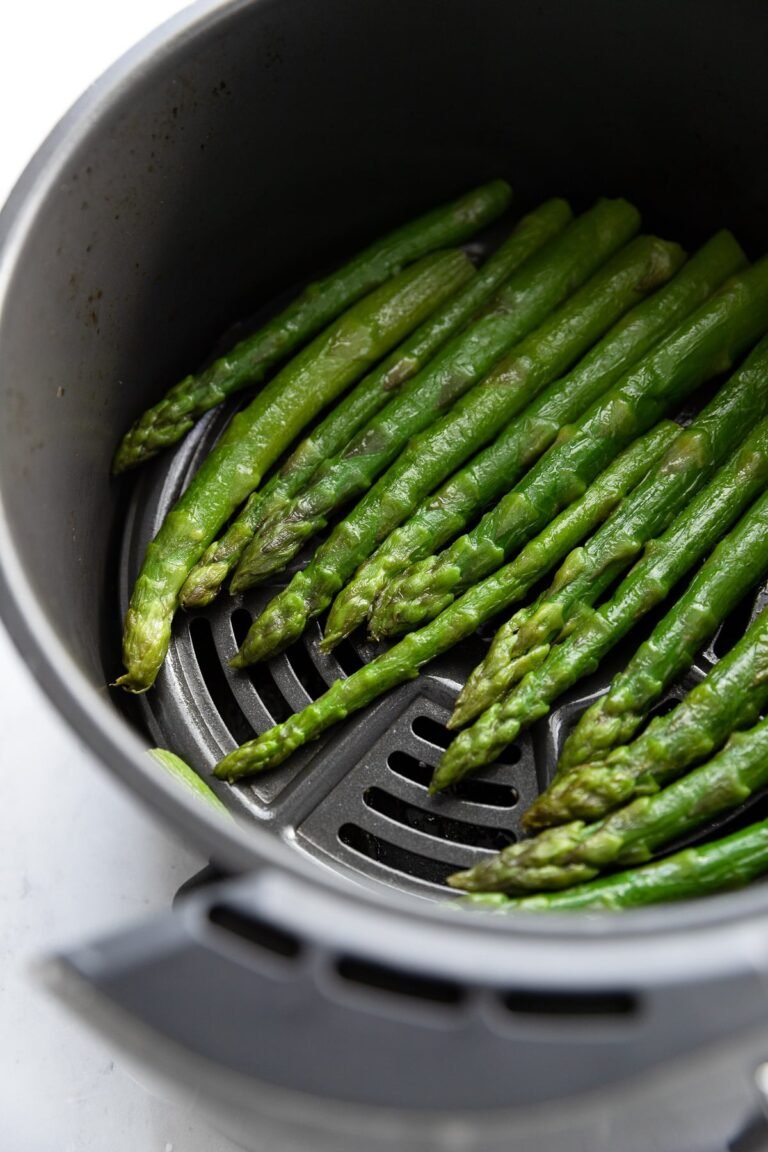
- Broccoli 375°F for 8–12 minutes, with a teaspoon of oil.
These habits match the science of How Does Air Fryer Work and give repeatable wins.
Frequently Asked Questions of How Does Air Fryer Work
Is an air fryer the same as a convection oven?
They work on the same idea, but an air fryer is smaller with a stronger fan. The tighter space gives faster browning and shorter preheats.
Do I need to preheat an air fryer every time?
A short 2–4 minute preheat helps with sear and timing. Some models auto-preheat; if not, it is still a good habit.
Can I use aluminum foil or parchment in an air fryer?
Use perforated parchment or foil that does not block vents. Keep it weighted with food so it does not fly into the heater.
How much oil should I use?
Most foods need 1–2 teaspoons, sprayed or tossed. Starchy foods like potatoes often need a touch more for even color.
Why does my air fryer smoke?
Fat can hit the coil or drip pan and burn. Clean often, use higher smoke point oil, and add a splash of water under the basket to trap drips if needed.
Conclusion
Air fryers use fast, focused convection to brown food with little oil, and they do it fast. When you understand airflow, heat, and moisture, you can get crisp, even results every time.
Try one new recipe this week, and test one tweak at a time: preheat, shake, spacing, and a light oil spray. Want more tips and tested times? Subscribe for weekly guides, or drop a question in the comments so I can help with your next cook.